
Preserving Food in Chilliwack: From Kitchen Table to Early Canneries

There’s a certain kind of Chilliwack summer that lives on long after the last berry’s been picked.
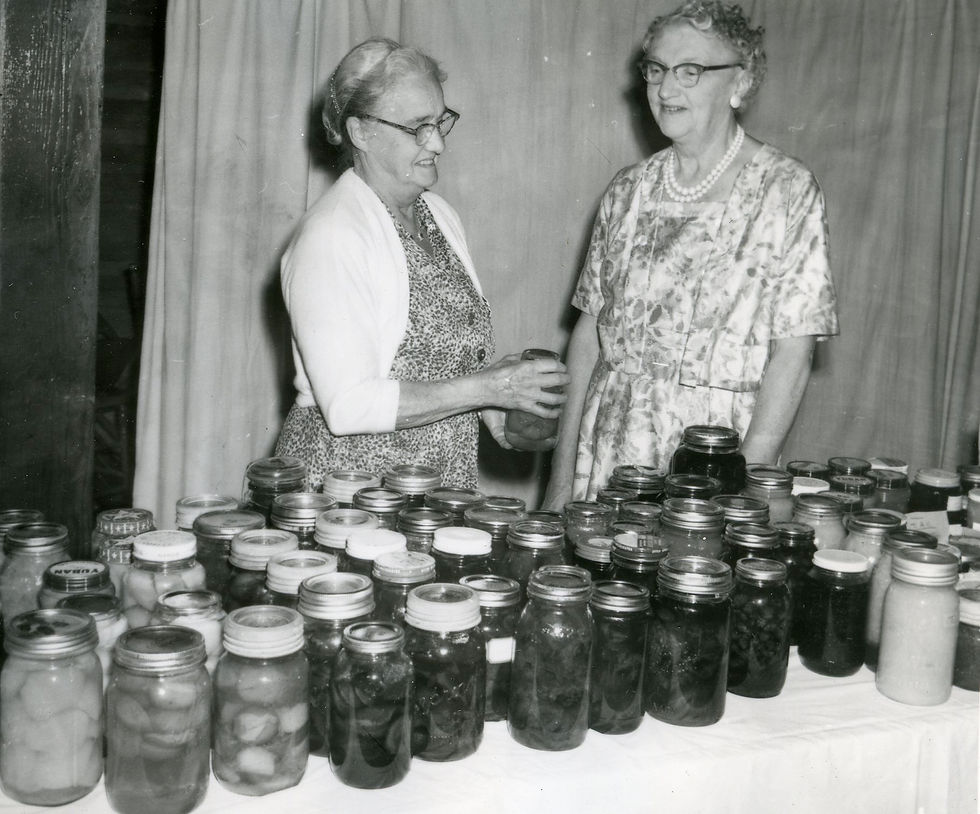
You know it: the counters cleared, the kettle going, tea towels everywhere, lids clinking in a pot, and that warm, steamy feeling in the kitchen that says, we’re putting food by. Even if you didn’t grow up canning, you probably grew up around someone who did—Grandma’s pickles, Auntie’s jam, a neighbour who “just had extra beans,” and a pantry shelf that quietly promised: winter will be fine.
Long before Mason jars became a household staple, Indigenous communities in this region preserved food through methods like drying and smoking—especially salmon—so it could be stored and shared beyond the season. It’s one of the deep roots of food resilience here, tied to knowledge, place, and community.
As farms expanded in the valley, preserving became part of everyday life: root cellars, crocks, jams, jellies, relishes, and pickles—the kind of food you can almost taste just by remembering the smell of vinegar and dill in the air.
And then Chilliwack started doing it at scale.
Before a local fruit cannery existed, growers shipped fruit to New Westminster, but transportation delays meant produce could spoil along the way—one more reason Chilliwack needed its own operation.
An early fruit-canning effort—often referenced as the Fraser Valley Fruit Canning Company—shows up in local history as far back as 1891, right as orchard growing was taking off here. Unfortunately, it was a short-lived venture.

By 1908, the Chilliwack Canning and Preserving Company was formed, with a proposed site in the old creamery building at Cheam Ave. and Young St.—picked for its central location and rail access.
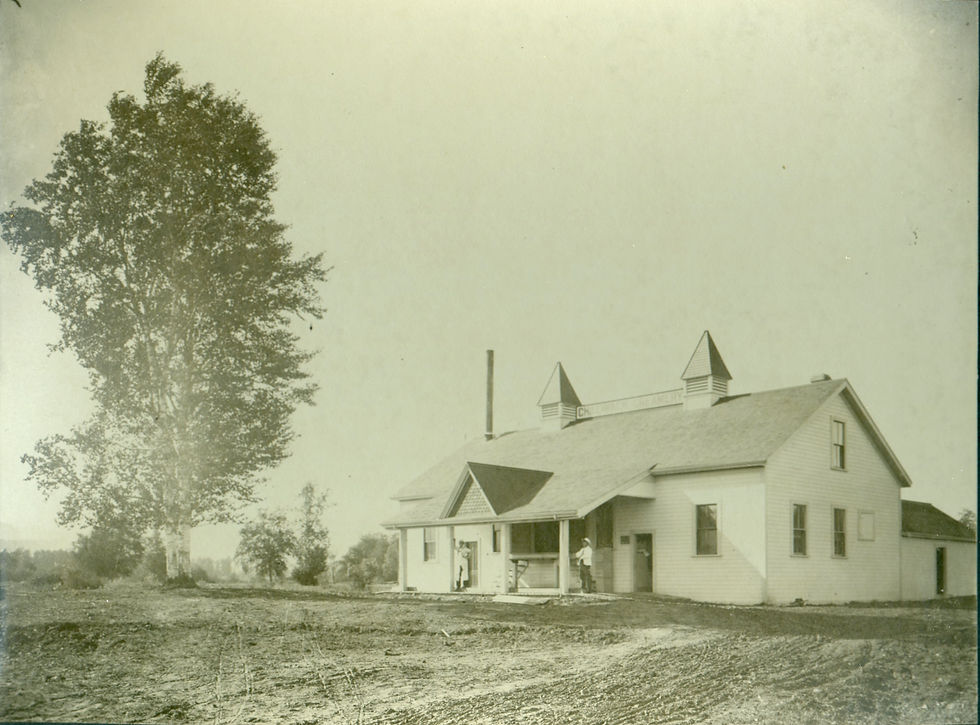
One 1908 description listed what the cannery aimed to handle—peas, beans, corn, plus pickled onions, cucumbers, cauliflower, tomatoes, and jams and jellies—basically the Fraser Valley pantry in one breath.
![Photograph of the Chilliwack Cannery evaporator with men, women and children gathered in front. It appears the evaporator has just arrived and is in the process of being moved, ca.1908-1911. Photograph courtesy of the Chilliwack Museum and Archives (2014.015.025].](https://static.wixstatic.com/media/640537_637eca66827449b783eb3e50d1f1add9~mv2.jpg/v1/fill/w_980,h_767,al_c,q_85,usm_0.66_1.00_0.01,enc_avif,quality_auto/640537_637eca66827449b783eb3e50d1f1add9~mv2.jpg)
In 1916, the plant was sold and renamed the Chilliwack Evaporating and Packing Company, signalling a shift in emphasis toward drying/evaporating and packing alongside other preserving work. It shut down in 1918, but had a brief 'afterlife in the early 1920's until 1924 when it transitioned into other commercial use.
.
During World War II, a Yarrow-area co-op, processing berries, sold their produce to the Canadian government for overseas shipment—evidence that “preserving/processing” in the valley continued strongly even after the Chilliwack plant’s closure.

So for Heritage Week, as we “stir the pot,” we’re thinking about all the quiet, steady work that kept families fed here—not just the commercial endeavours, but also the drying racks, smokehouses, root cellars, and rows of jars cooling on the counter.
Because preserving isn’t just about food. It’s about tradition. It’s about care. It’s about a community that knows what to do when the harvest comes all at once.

Friends – what’s the one thing your family always “put up” when you were growing up? Pickles? Strawberry jam? Corn? Beans? Applesauce?
Drop it in the comments (and if you’re willing, share who made it—those names deserve to be remembered). 💛

Comments