
Frozen Food: Chilliwack's Kitchen Revolution

If you grew up here, you probably remember when “eating local” didn’t stop at harvest season—it just moved into the freezer.
Frozen food might not sound romantic, but it’s one of the biggest behind-the-scenes shifts in our food story. It changed what farmers could sell, what families could afford, and how a place like Chilliwack—so rich in berries and produce—could feed people well beyond the Fraser Valley.
Before freezing became common, local food was deeply seasonal. Canning and preserving mattered, of course—but freezing offered something different: it held onto the freshness of summer in a way that fit modern life. As home freezers became more common after the mid-20th century, more households could stash away berries, vegetables, and prepared foods for winter—making the freezer a new kind of pantry.
Chilliwack didn’t just consume frozen food—it helped make it.
In June 1946, a company called Fraser Valley Frosted Foods Ltd. began operation of its newly built plant along Trans-Canada Highway West / Yale Road West.

Local peas, spinach, beans, corn, strawberries, and raspberries were the principal products packed in those early years, with produce from the Okanagan being added later. At its peak, the plant could freeze as much as 150 tons a day—which, over a busy harvest stretch, could add up to tens of millions of pounds a year.

And for more than four decades this one business provided meaningful employment for generations of Chilliwackians.

Today, freezing is still part of the Chilliwack food economy—especially when it comes to berries. A great example is Berryhill Foods (est. 1994), which specializes in processing and freezing blueberries and raspberries and has grown into a major player in frozen berries. And as blueberry production expanded, a new processing plant was announced for Chilliwack’s food processing park area in 2001—another sign that freezing isn’t just about convenience, it’s about keeping agriculture resilient and market-ready.
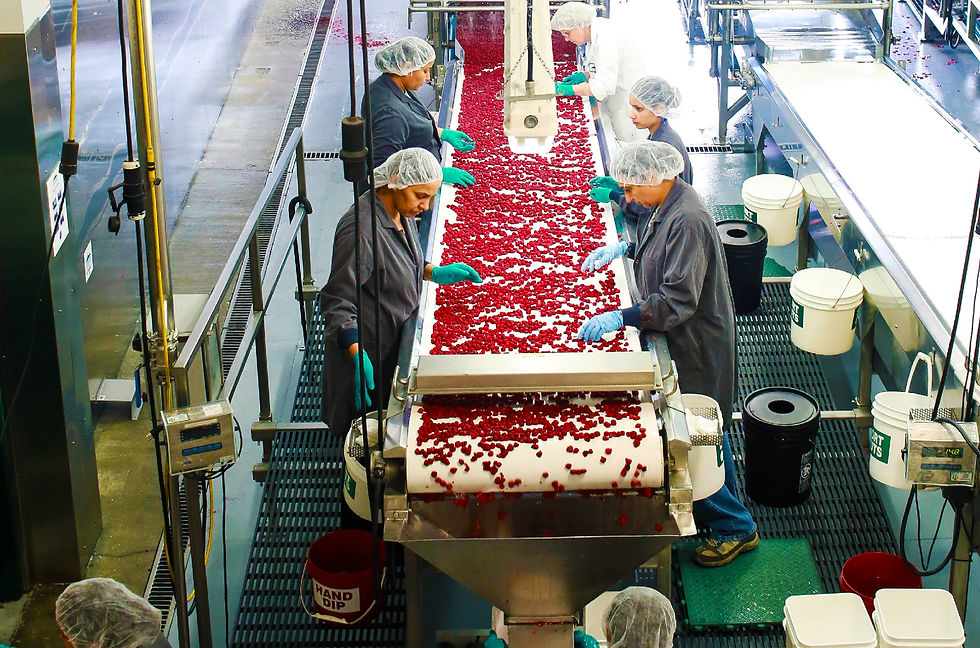
Frozen food helped Chilliwack “stir the pot” in a very real way:
it extended the life of harvest,
reduced waste,
supported jobs and infrastructure,
and helped local food travel—while still beginning in local fields.
So the next time you pour frozen berries into a smoothie, toss peas into a pot, or grab something quick from the freezer… you’re participating in a pretty big chapter of Chilliwack’s food history.
Do you remember the first freezer your family had—or a “frozen treat” you still associate with childhood? Comment below.


Comments